Choosing between Seaside and WaterColor can feel harder than it looks. Both sit along 30A in Santa Rosa Beach, both offer strong beach appeal, and both draw buyers who want a coastal home that fits the way they actually live. If you are trying to decide which community matches your pace, priorities, and long-term goals, this guide will help you compare the lifestyle differences that matter most. Let’s dive in.
Why Seaside and WaterColor Feel Different
At a glance, these two communities seem very close in location, but their layouts and daily rhythms are not the same. Seaside is presented as a town with more than 300 homes, shops, restaurants, and galleries, while WaterColor is a 499-acre community with multiple amenity zones and a formal short-term rental structure.
That distinction matters because your experience as an owner may feel very different from one community to the other. In simple terms, Seaside leans toward a compact town-center lifestyle, while WaterColor offers a broader resort-community setup with more internal space and more amenities spread across the property.
Seaside Lifestyle: Walkable and Centered
Seaside is built around the idea that daily life should happen on foot. Official community materials describe narrow brick-paved streets, white-sand footpaths, and a layout where shopping and dining are within a five-minute walk of residences and The Court.
The town also says Seaside is about a 10-minute walk from end to end. For you, that can mean a very easy routine where the beach, town center, and home all stay closely connected.
What daily life may feel like in Seaside
If you like simplicity and a strong sense of place, Seaside may stand out. You can picture mornings that begin with a short walk to the beach, afternoons around Central Square, and evenings where dining and shopping are all nearby without much planning.
Because the community is intentionally compact, movement tends to feel straightforward. That can be especially appealing if your goal is a home where you can park the car and enjoy a more pedestrian-focused coastal lifestyle.
WaterColor Lifestyle: Spacious and Amenity-Rich
WaterColor offers a different kind of experience. The community association describes it as a 499-acre development with tree-lined streets, walkways, and a layout organized around places like the Beach Club, Camp WaterColor, Tennis Center, event areas, and trolley stops.
WaterColor is still designed for walking and biking, and it also offers a complimentary trolley to amenities. Compared with Seaside, though, the community feels more spread out and more layered in how you move through it.
What daily life may feel like in WaterColor
If you want more recreation choices and a larger community footprint, WaterColor may feel like a stronger match. Your day could include beach time, pool time, lake access, biking, and family activities without leaving the neighborhood.
That extra range comes with a different rhythm. Instead of one tight town center, WaterColor gives you a broader resort-style environment with more internal geography to navigate.
Beach Access and Pool Options
Beach access is one of the biggest lifestyle factors on 30A, and here the two communities take different approaches. Since the former Van Ness Butler Regional Beach Access between them is no longer a public county access and is owned exclusively by WaterColor, each community’s own access system carries more weight.
Seaside beach access and pools
Seaside’s Gulf frontage is organized around nine beach pavilions. Coleman Pavilion serves as the town’s central beach access point, while vacation-rental guests access the pavilion connected to their street.
Seaside also has three community pools, including a heated lap pool. According to the town, those pools are for homeowners and guests.
WaterColor beach access and pools
WaterColor’s amenity structure is more extensive. The WaterColor Beach Club includes three pools, cabanas, food and beverage service, and towel service, and the community lists 10 pools in total when the additional pool locations are included.
Camp WaterColor is available to WaterColor residents and WaterColor Inn guests and includes water slides, a lazy river, a playground, and a basketball court. WaterColor also offers the BoatHouse on Western Lake and a Tennis Center, which adds more variety to how you spend your time.
Home Style and Community Character
Architecture shapes how a community feels, and this is another area where Seaside and WaterColor differ. If you care about design, scale, and how homes relate to the streetscape, this part of the comparison is worth close attention.
Seaside home character
Seaside emphasizes a small-scale, regionally rooted design language. Official materials highlight indigenous materials, local architectural traditions, small lots, front porches, and a form-based code that supports a consistent streetscape.
That can create a cottage-oriented setting with a more intimate visual character. For many buyers, the appeal is not just the house itself but the way the entire town feels connected and carefully composed.
WaterColor home character
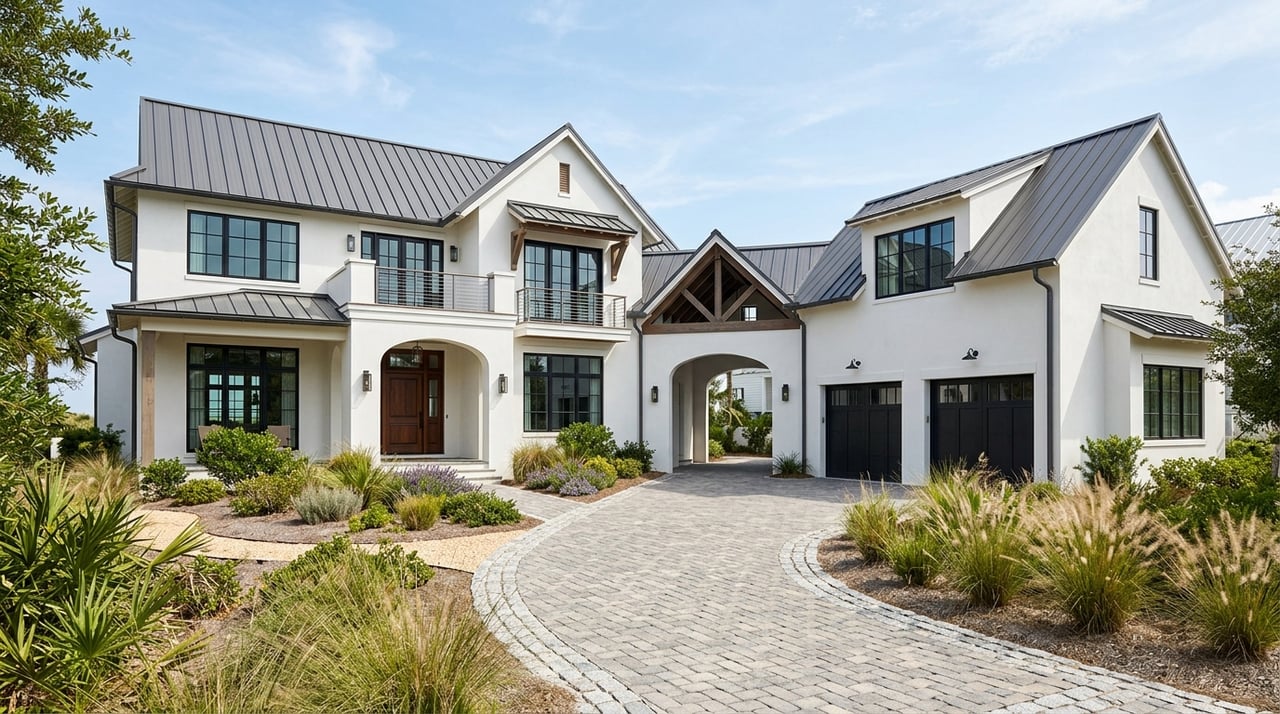
WaterColor also has design controls, but the look is broader and less tied to one single expression. Its design guidelines describe architecture rooted in American Coastal and Florida vernacular traditions, with an emphasis on elegant scale and proportion.
For you, that may translate to more variety across the community while still maintaining an intentional overall standard. If you like a planned coastal community with structure but a wider range of home presentations, WaterColor may feel more flexible.
Rental Environment and Ownership Experience
Official materials do not give a precise breakdown of primary residences versus second homes, so it is best to treat this section as a practical reading of how each community is set up. The difference is less about labels and more about how ownership and guest use appear to function day to day.
Seaside ownership feel
Seaside reads as a place with a strong family-memory component. The community’s lodging mix includes a boutique hotel, cottages, and full-home rentals, and its Homeowner’s Collection manages more than 190 private homes.
The town’s own stories also emphasize family ownership and homes passed through generations. If that matters to you, Seaside may feel more legacy-oriented in character.
WaterColor ownership feel
WaterColor appears more formally structured around homeowners, rental guests, and hotel guests. The community association runs a short-term rental portal, guest-fee system, guest wristband process, and parking rules for rental guests.
WaterColor Inn adds another layer with a 60-room beachfront hotel and seven additional family suites. If you value a more explicitly managed resort-and-rental environment, WaterColor may better fit that preference.
Which Community Fits Your Lifestyle?
The best choice often comes down to how you want your home to function on a normal day, not just on a vacation weekend. A beautiful property in the wrong setting can feel less satisfying over time.
Here is a simple way to think about it.
Seaside may fit you if you want:
- A compact, walk-everywhere town layout
- A strong connection to a central square and nearby dining
- Cottage-scale architecture and front-porch character
- A beach experience organized around pavilions
- A community feel that leans intimate and legacy-minded
WaterColor may fit you if you want:
- A larger community with more room to explore
- More pools and recreation choices
- Western Lake access and BoatHouse activities
- A resort-style amenity structure
- A community already set up for homeowners, rental guests, and hotel guests
Think Beyond Lifestyle Alone
Lifestyle is important, but it is not the only piece of the decision. When you compare Seaside and WaterColor, it also helps to look at how a home’s layout, build quality, lot position, and day-to-day functionality support your goals.
That is especially true if you are buying a second home, a future retirement property, or a home with investment potential. The right fit is usually the one that works both emotionally and practically.
A thoughtful comparison should include questions like these:
- How much do you want to rely on walking versus biking or using a trolley?
- Do you want a home near a central activity hub or in a more spread-out setting?
- Are pools and recreation amenities central to your use, or is beach access the priority?
- Does the home’s design and floorplan support how you will actually live there?
- How might the property’s layout, condition, and location within the community affect long-term resale?
If you are weighing Seaside against WaterColor, this is where experienced local guidance can make the process easier. Looking at lifestyle and property fundamentals together often leads to a smarter decision.
Whether you are comparing a second home, a vacation property, or a full-time move along 30A, Jack Fleishmann can help you evaluate the details that matter, from community fit to build quality, functionality, and long-term value.
FAQs
Is Seaside or WaterColor more walkable for daily life?
- Seaside is the more compact option, with official materials describing shopping and dining within a five-minute walk and the town as a 10-minute walk end to end.
Does WaterColor have more amenities than Seaside?
- Yes. WaterColor offers a broader amenity setup that includes the Beach Club, Camp WaterColor, 10 total pools, the BoatHouse on Western Lake, and a Tennis Center.
What is the main lifestyle difference between Seaside and WaterColor?
- Seaside is better known for a compact town-center experience, while WaterColor offers a larger resort-community feel with more internal space and more recreation options.
Is beach access shared between Seaside and WaterColor?
- No. The former Van Ness Butler Regional Beach Access between the communities is no longer a public county access and is owned exclusively by WaterColor, so each community’s own beach access system is important.
Which 30A community feels more resort-oriented, Seaside or WaterColor?
- WaterColor reads as the more resort-oriented option because of its formal amenity structure, rental guest systems, hotel component, and wider recreation offerings.
Which 30A community has a more cottage-style look?
- Seaside is more closely associated with small-scale homes, front porches, and a cottage-oriented design character rooted in local architectural traditions.
